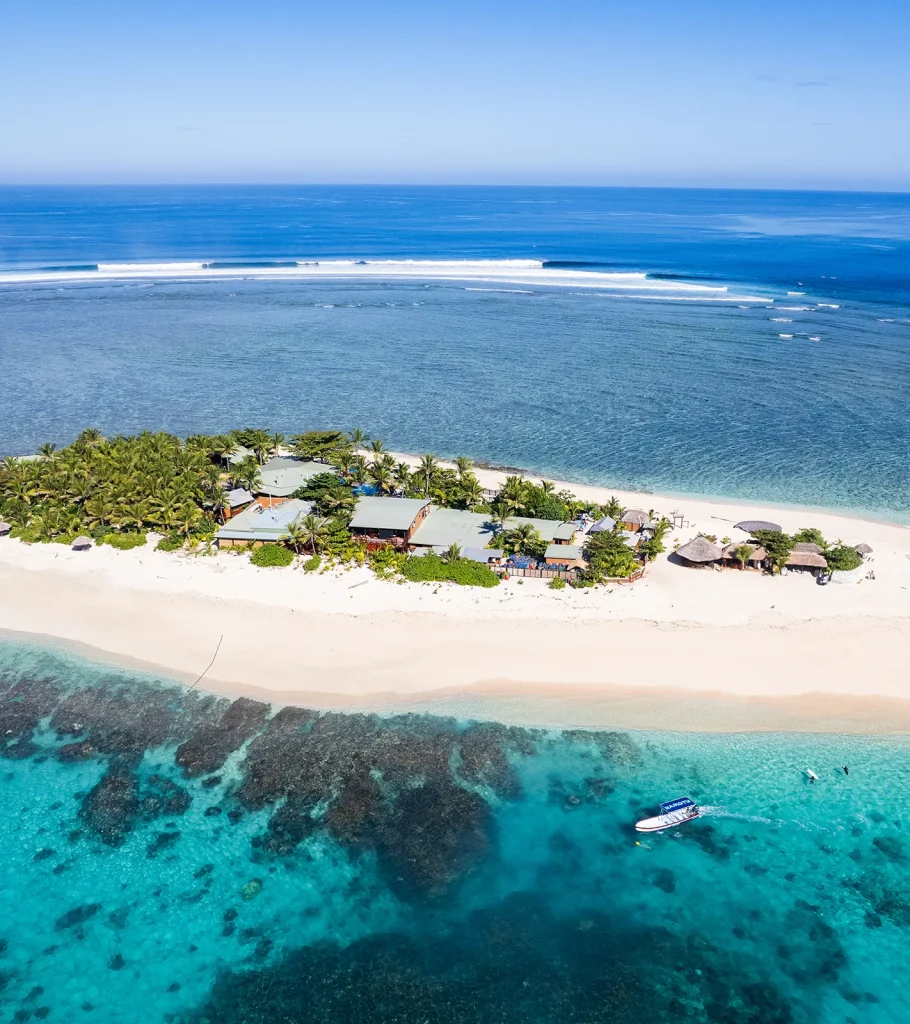
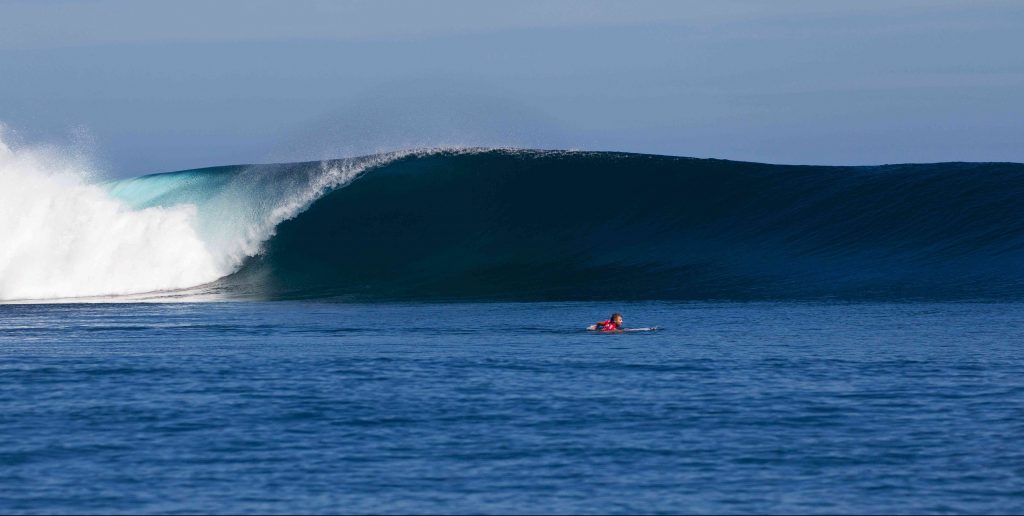
A nation of volcanic islands surrounded by coral reefs and the South Pacific Ocean, Fiji has the perfect geography for awesome surf. Atoll Travel offers a choice of two fantastic resorts where you can stay in style, relax in comfort, swim in crystal clear water and test your skills on some of the world’s best waves.
Surfing Adventure Fiji
Tavarua Island Resort
FIJI, TAVARUA ISLAND
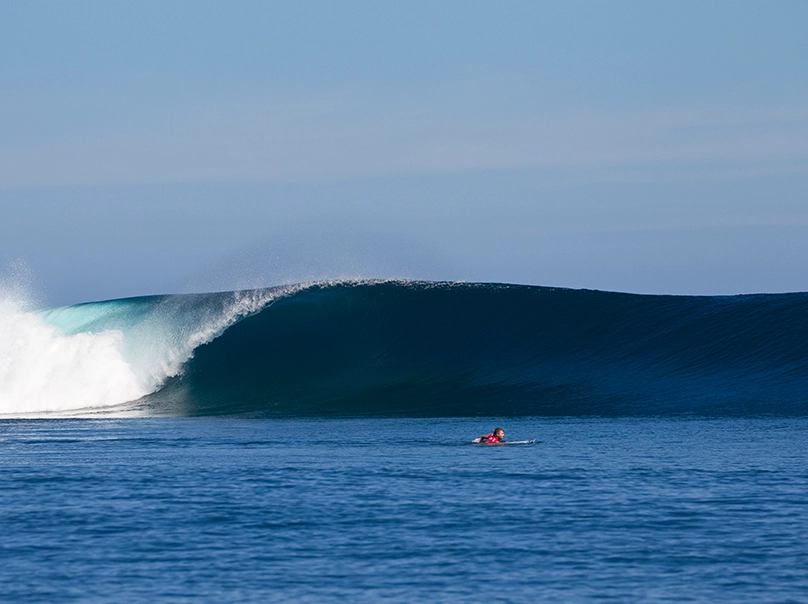
You’ll love this heart-shaped island. Swells produce the world famous waves like Cloudbreaks and Restaurants, peeling onto reefs within easy reach of this idyllic little resort.
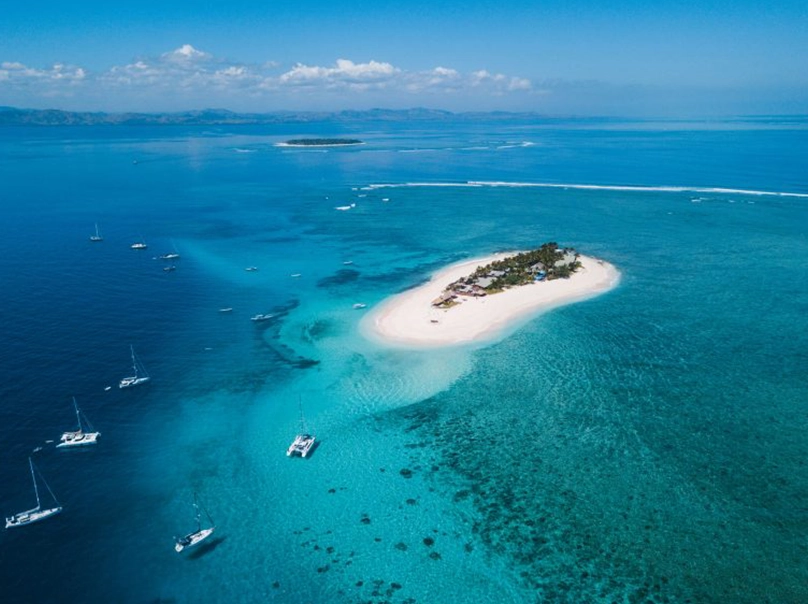
Live your tropical island fantasy on Namotu Island Resort. Go fishing or diving, try kite surfing, scuba diving or just relax on this perfect Pacific paradise.
Fiji, officially the Republic of Fiji, is an island nation in Melanesia in the South Pacific Ocean, about 1,100 nautical miles north-northeast of New Zealand.
It comprises more than 330 islands (around 110 permanently inhabited) and over 500 islets, covering about 18,300 square kilometres.
Most of the population lives on the two largest islands, Viti Levu and Vanua Levu. Most people reside along the coasts of Viti Levu, particularly in the capital, Suva, and in cities like Nadi.
Most of Fiji’s islands were formed by volcanic activity beginning about 150 million years ago. Some geothermal activity continues today.
Fiji has two main seasons: a hot, wet season from November to April and a cooler, drier season from May to October.
Fiji Surf
The main surf season in Fiji runs from April to October, aligning with the dry season.
During this period, strong low-pressure systems in the Southern Ocean generate consistent south and southwest swells that travel north and hit Fiji’s reefs.
These swells produce powerful, clean waves. Offshore trade winds are also more common at this time, helping create favourable surf conditions.
Some of Fiji’s most famous breaks, such as Cloudbreak and Restaurants, are at their best during these months, attracting surfers from around the world.
While surfing is possible year-round, the November to March wet season tends to have smaller swells, lighter winds in the mornings, and a higher chance of storms or cyclones.